
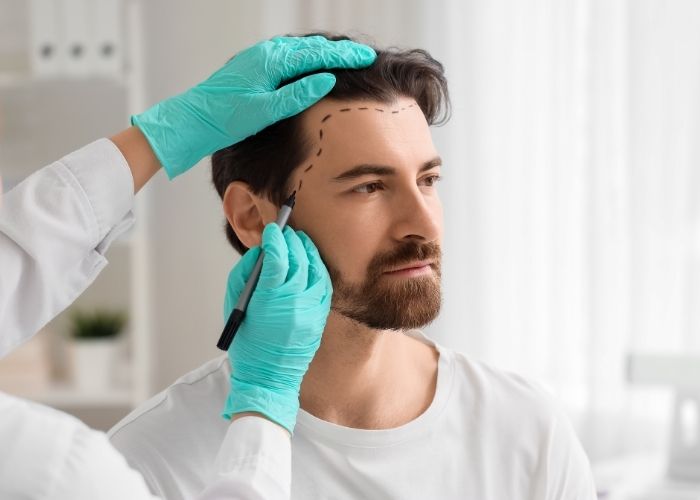

Hair Transplantation
Hair transplantation is a microsurgical procedure designed to restore hair in areas affected by thinning or baldness by transferring healthy hair follicles from regions of dense growth. The process is meticulously planned and customized to suit each patient’s individual hair pattern and aesthetic goals.
Typically, hair follicles are harvested from the donor area—usually the back of the head, where hair is naturally resistant to loss—and then transplanted into tiny, precisely created incisions in the recipient (balding) areas.
This advanced technique provides natural-looking, permanent results, restoring not only fuller hair coverage but also enhancing the patient’s confidence and overall appearance.
Direct Hair Implantation (DHI)
Direct Hair Implantation (DHI) is an advanced development of the Follicular Unit Extraction (FUE) technique, offering greater precision and improved outcomes. In this method, individual hair follicles (grafts) are carefully extracted—either manually or with automated devices—and immediately implanted using a specialized tool known as the DHI implanter pen.
This direct implantation approach minimizes the time grafts remain outside the body, enhancing graft survival rates and ensuring more natural-looking results. DHI allows for higher hair density, faster recovery, and minimal scarring compared to traditional techniques.
Most patients begin to notice visible hair growth within three months, with full, permanent results typically achieved within one year, all while experiencing a comfortable and minimally invasive procedure.
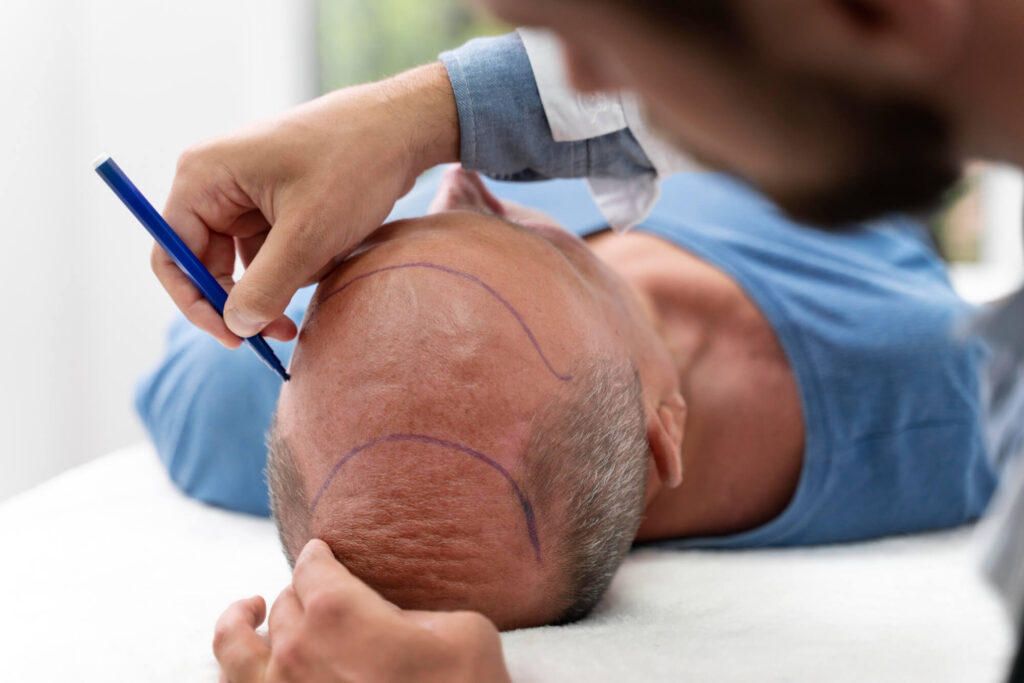
Sapphire FUE Hair Transplantation
Sapphire FUE Hair Transplantation is an advanced technique that uses sapphire-tipped blades to create recipient sites for the implantation of hair follicles. The unique properties of sapphire allow for greater precision, ensuring that the angle and direction of each implanted follicle closely mimic natural hair growth.
Compared to traditional steel blades, sapphire instruments cause less tissue trauma, which helps reduce scarring, accelerate healing, and lower the risk of infection.
This refined method provides smoother incisions and superior density, making it especially effective for delicate areas such as the beard, mustache, and hairline, where precision is essential for achieving natural, seamless results.